
Ecuadorian goat stew {Seco de chivo}

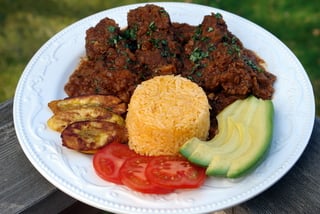
Ecuadorian seco de chivo is a goat stew dish braised in a sauce of garlic, cumin, achiote, oregano, peppers, onions, cilantro, tomatoes, chicha or fermented corn drink, naranjilla or lulo juice, panela and spices.
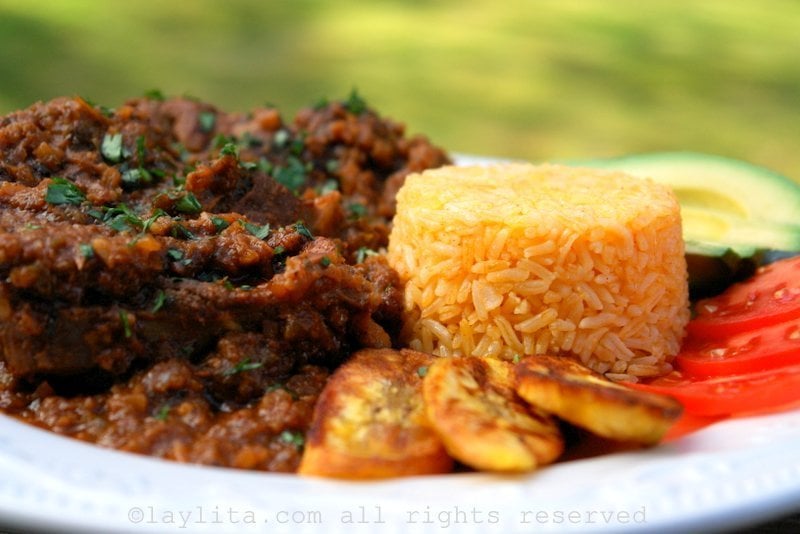
My first memory of seco de chivo or Ecuadorian goat stew is when I was very young (maybe 5 or 6). We went to a nearby village for their fiestas or annual festivities. Everyone was talking about how this town had some of the best seco de chivo in the area and they only prepared it during their fiestas.
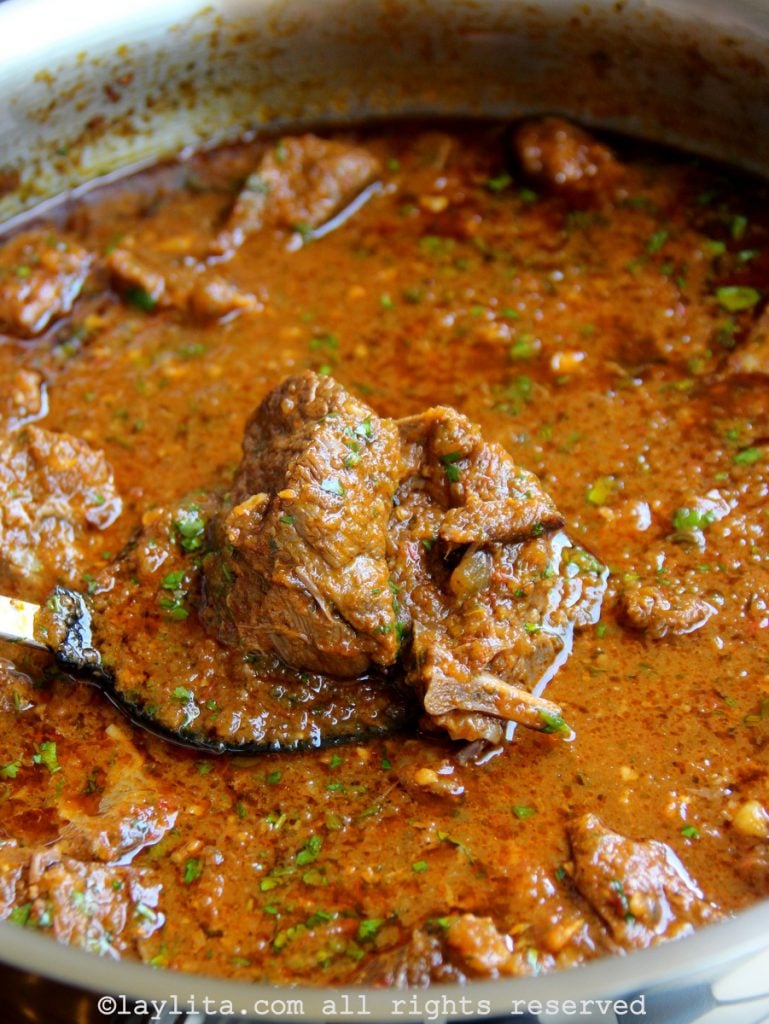
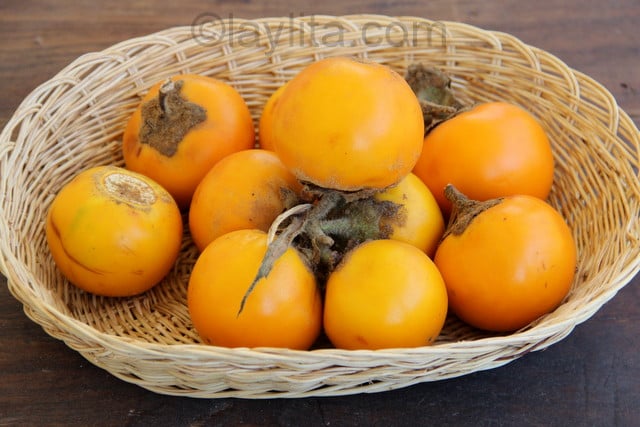
There are several versions of seco de chivo, most of the ingredients are very similar, but one of the variants is the type of drink or beverage used to prepare the stew. I’ve had it prepared with chicha, an Andean fermented corn drink, as well as with beer, which is more common now because it is easier to find beer than chicha. Another option is fruit juice, specifically a fruit called naranjilla (also known as lulo in Colombia), which is a very tart fruit that can be found mainly in Ecuador and Colombia.
Jump to Recipe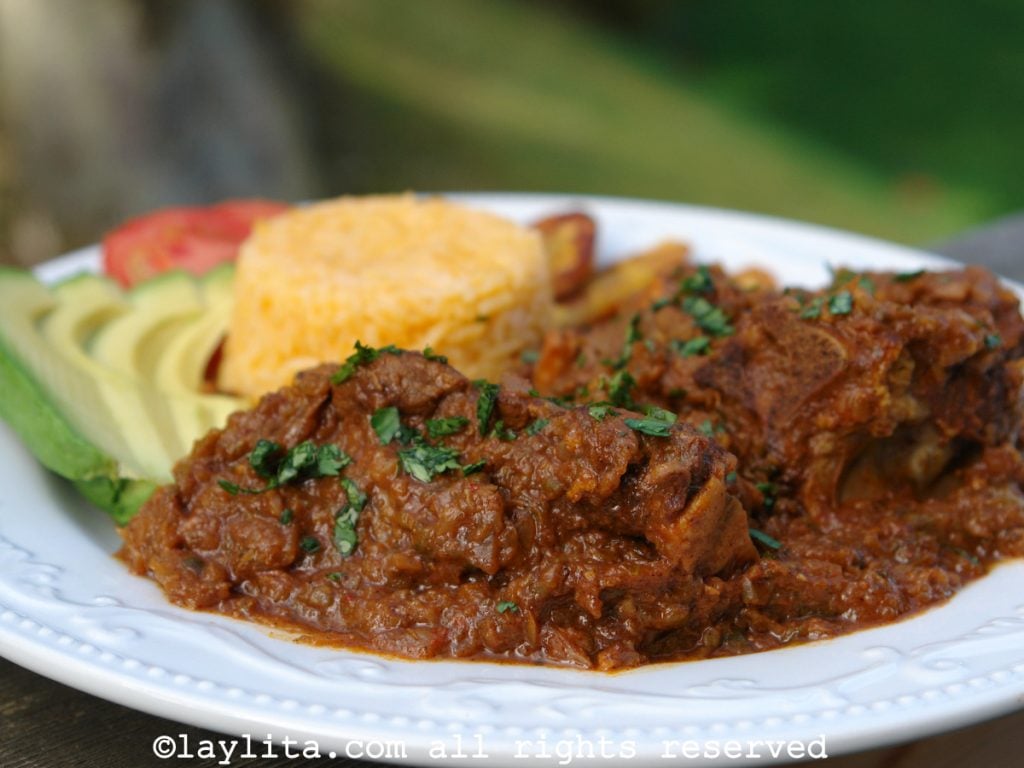
The taste of the goat stew will vary based on which drink you use, in my opinion they all taste great, but there are people that have very strong preferences on how they like their seco de chivo prepared, the most traditional preparation is using chicha.
Originally when I was planning this recipe I was going to make either with beer or naranjilla juice because I knew I could find frozen naranjilla pulp and even frozen naranjilla fruits. However, to my surprise I actually found chicha when I went to the Latin grocery store, it does come from Peru so it is slightly different than the Ecuadorian chicha, but it is close enough.
So this time I am preparing the seco de chivo with chicha – you can replace the chicha with beer as the quickest option. I’ve also found that a combination of beer, white wine and a bit of orange juice work well as a chicha replacement option. Chicha is also very similar to cider, so a fruity semi-dry cider could also be used.
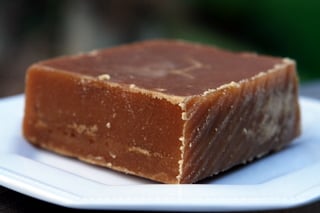
Another ingredient used to make this dish is called panela or piloncillo; it is hard brown sugar and comes in a brick shape (though I’ve also seen it in cone shape). Panela is made directly from sugar cane juice, in Ecuador it is made in trapiches, which is a very rustic processing factory.
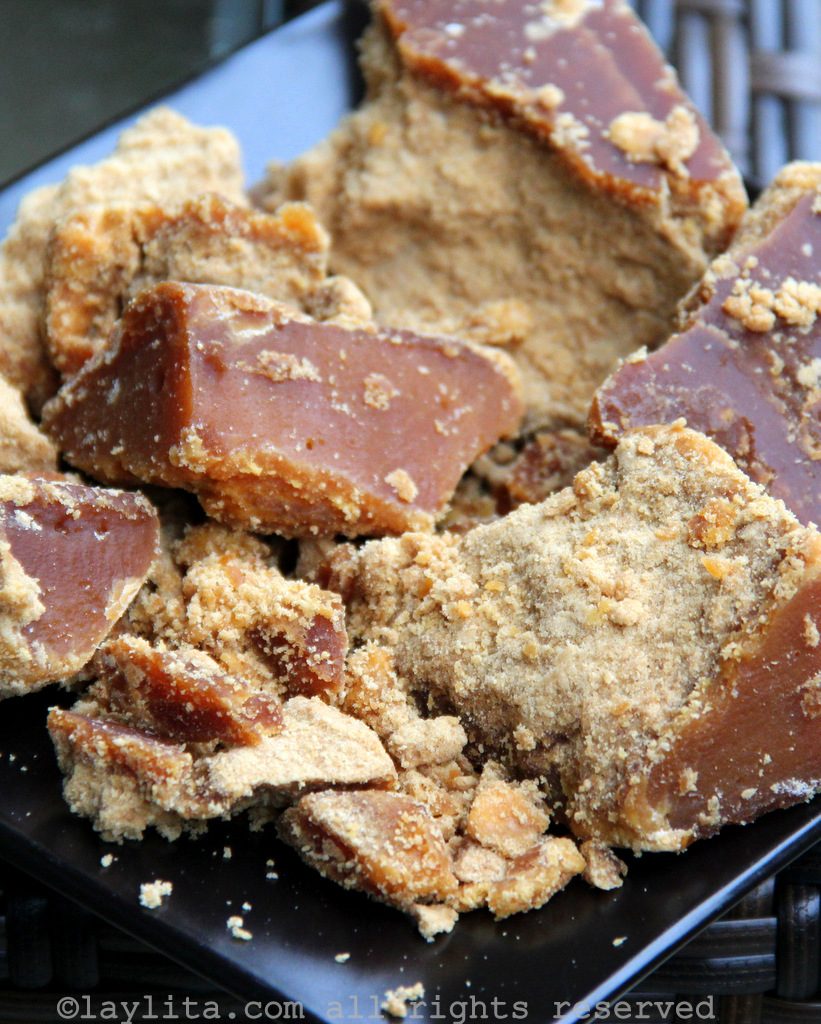
We had a few trapiches close to our farm and we had a small field of sugar cane. When it were ready to harvest the canes are cut with machetes (the bases are left and grow back). Then the sugar cane is loaded unto donkeys (which are wearing these special wood devices to carry the sugar cane).
Next the sugar cane is taken to the nearest trapiche, where it first goes through a press that squeezes the juice out. The juice, which is called guarapo (and is delicious mixed with bitter orange juice as it’s own drink), is then cooked in these large rectangular metal devices (that have fires going underneath) and stirred with these huge wooden spoons (that almost look like kayaking paddles).
It goes through several different of these cooking stages until at the end you have a very thick syrup. Which is then poured into small brick shape wood molds. Once the panela dries it hardens and the molds are removed.
It is a very interesting process and just the trapiche part takes about an entire day, and of course as a kid you get to drink some guarapo and taste the cane juice syrup. In Ecuador we use panela as most people would use sugar: to sweeten coffee, tea, juice, to bake and to make marmalades or fruit preserves.
The panelas are kept in their hard brick form until ready to use and then they are melted down with water to make a syrup called miel de panela (panela honey) which is used to sweeten things, or it is also grated when used in certain dishes or for baking. Panela can be found in most Latin grocery stores or even in certain mainstream grocery stores.
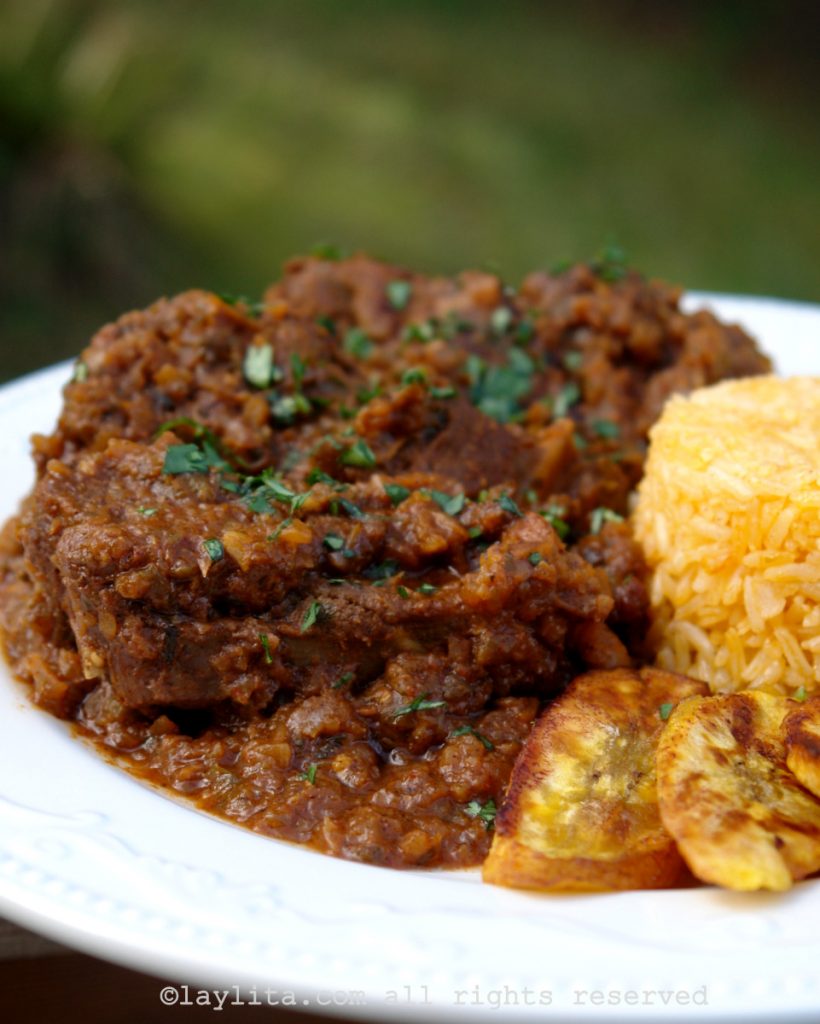
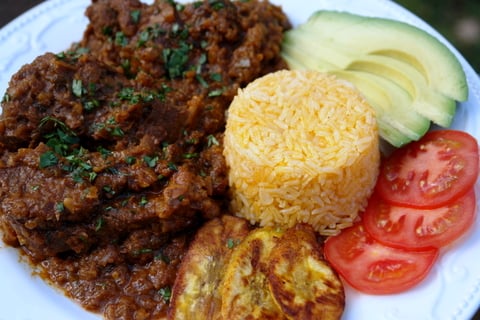
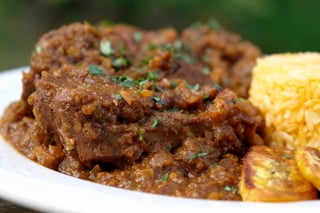
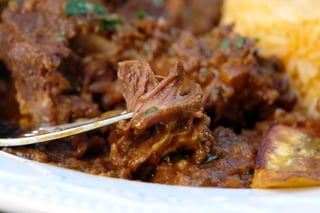
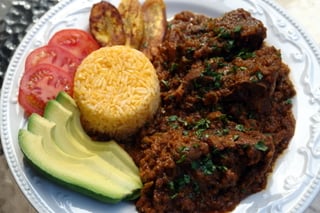
Enough about panela, another interesting thing about seco de chivo and goat meat in general is that when it is prepared the correct way it should not have a goaty flavor (which you usually find in goat cheese) and it should also be very tender, which is why it is braised or cooked very slowly over low heat. Seco de chivo is served with arroz amarillo (rice cooked with a little bit a achiote or annatto powder to give a yellow color), fried ripe plantains and avocado slices.
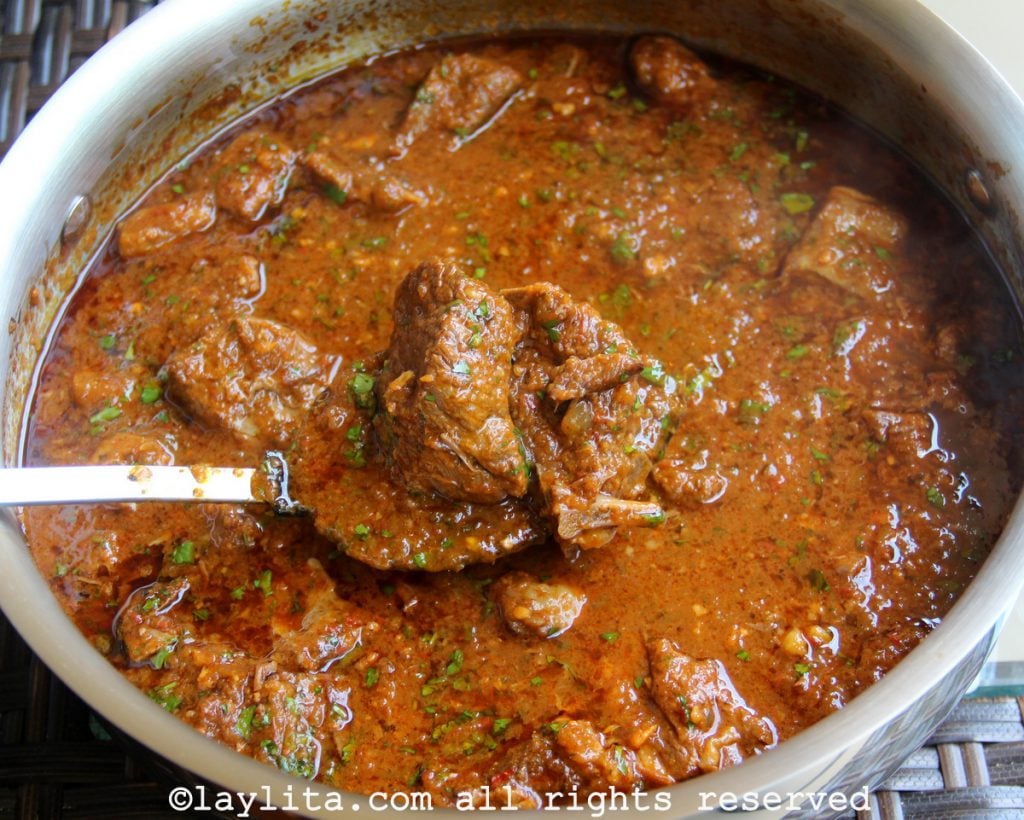
Braised goat stew {Ecuadorian seco de chivo}
Ingredients
- 2 lb goat meat with bones, cut in medium to large chunks
- 6 garlic cloves crushed
- 1 tsp ground cumin
- 1 tsp dry oregano
- 2 cups chicha
- 2 tbs oil
- 2 tsp ground achiote
- 1 red onion minced
- 1 bell pepper minced
- 3 to matoes cut into quarters
- 1 aji or spicy pepper red jalapeño or serrano
- ½ bunch of cilantro
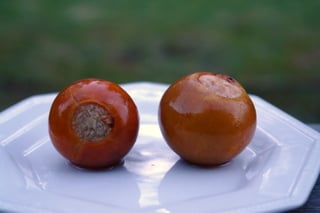
- 2 whole naranjillas fresh or frozen or ½ cup naranjilla juice (from frozen pulp)
- 2 tbs grated panela or piloncillo
- 1 tsp all spice
- 2 tbs cilantro finely chopped
- Salt to taste
Suggested side dishes:
- Arroz Amarillo or rice with annatto/achiote
- Fried ripe plantains
- Avocado slices
Instructions
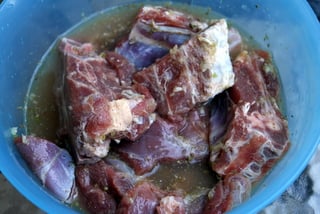
- Season the goat meat with garlic, cumin, oregano, salt and 1 cup of chicha or beer, let marinate for at least an hour.
- Remove the meat from the marinade and save the marinade juice for later.
- Heat the oil over high temperature in a large sauté pan and fry the meat until browned on each side.
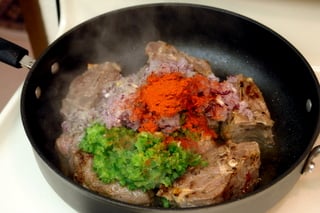
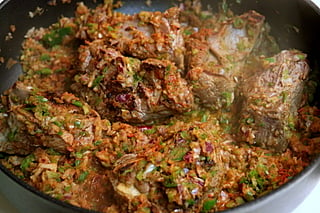
- Lower the heat to medium and add the minced onions, achiote and minced bell peppers, cook until the onions are soft, about 5 minutes.
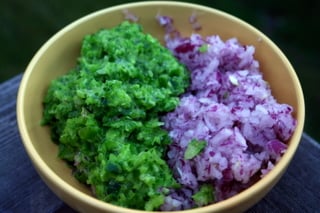
- Meanwhile blend the tomatoes, cilantro and hot peppers with the remaining cup of chicha and the naranjillas or naranjilla juice, strain and add the strained puree to the meat.
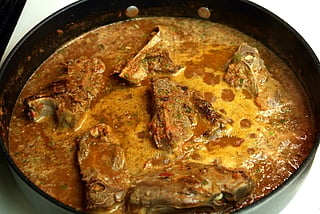
- Add the saved marinade juices, the grated panela and all spice, bring to boil, lower the temperature and simmer until the meat is very tender and the sauce is thickened, about 2 -2 ½ hours.
- Taste and add salt if needed, sprinkle with chopped cilantro and serve warm.
- Serve with arroz amarillo or yellow rice, fried ripe plantains and avocado slices.
Notes
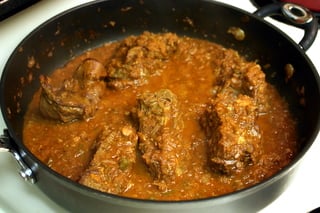
Step by step preparation photos for Ecuadorian goat stew or seco de chivo
Discover more from Laylita's Recipes
Subscribe to get the latest posts sent to your email.



I made this dish for my son and boyfriend. They both loved it so much. My son said it’s the most delicious thing he’s ever eaten in his life!! He never had goat before but now is raving about it to his friends. My closest friend is from Ecuador and will be so happy when I make this for her.
For the two and a half hours should I keep the lid on or off?
Lid can be on or partially on
I wanted to add my thanks. This is an excellent recipe!
I had trouble finding many of the Ecuadorian ingredients locally but I followed some of your recommendations and substituted chicha with beer, naranjillas with sour oranges, and panela with dark brown sugar. In the end, it tasted better than the seco de chivo I was getting at the local Ecuadorian restaurant and it was perfect for a cold winter night. I will definitely be cooking this again so I will be on a look out for chicha, naranjillas, and panela at the Latin grocer.
My family went to Miami for Ecuadorian food. Seco de Chivo is my husband’s favorite but I was so disappointed. I should have just used your recipe again. This is fantastic. Thank you!
what can replace goat meat? Can’t find it where I live.
You can use lamb instead of goat.
Laylita! I am Ecuadorian American and I have learned so much about ecuadorian cuisine from your blog!
Hola Laylita! Muchas gracias por recetas tradicionales! Ok but really thank you! I am planning a surprise birthday party for my Ecuadorian husband who has NEVER had a birthday party and am going to be utilizing a lot of your recipes, including the seco de chivo as we raise our own goats. My question for you is, what would be the best items to cook for a large group of people? So far I have the seco de chivo and the arroz amarillo but need a few more sides. Thanks!
Hi Melanie – Some fried ripe platanos are a must, as well as the tomato onion curtido. Ensalada rusa potato salad is a great side dish for parties and can be made ahead. If you have time you can also make some shrimp ceviche (more as an appetizer), which can also be made ahead.
https://www.laylita.com/recipes/2008/01/06/platanos-maduros-fritos-fried-plantains/
https://www.laylita.com/recipes/2008/01/04/curtido-de-cebolla-y-tomate-pickled-red-onion-and-tomato-salad/
https://www.laylita.com/recipes/2009/05/22/ensalad-rusa-or-potato-salad/
https://www.laylita.com/recipes/2006/07/15/ceviche-camaron-shrimp-ceviche/
Laylita,
Muchisimas gracias!!!!!!!!!!
I’m Puertorican and Cuban and my husband is from Ecuador. His mother is from Loja, but he grew up in the Costal Regions of Ecuador. I can’t thank you enough for your website. I have made several of your recipes and have blown my husband away. I LOVE Seco de Chivo and I will definitely be making it this weekend.
Keep those wonderful recipes coming our way!
Con mucha admiracion, Taina from Chicago IL.
Hello Layla,
Your Seco de chivo recipe sounds just like the one that I sampled and loved at a home dinner in Ecuador. How many does it serve? I wish to make it for my gourmet dinner group and would need to increase the recipe to serve eight.
Looking forward to your reply.
Rosa
Hi Rosa – This will serve 4 people. For 8 people, I would recommend doubling the amount of meat, but only adding 1/2 extra of the marinade ingredients.