
Dulce de higos or fig preserves in syrup

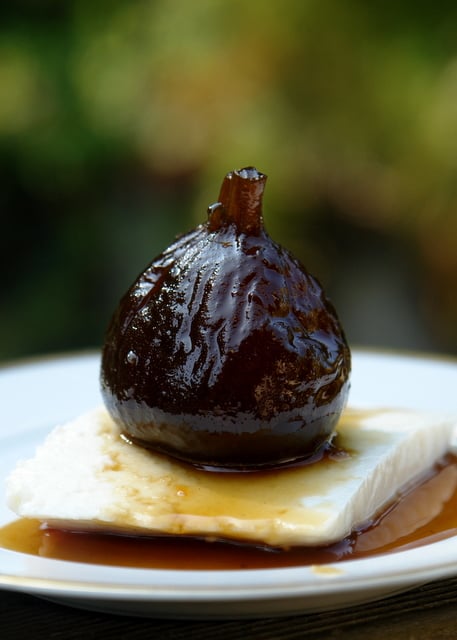
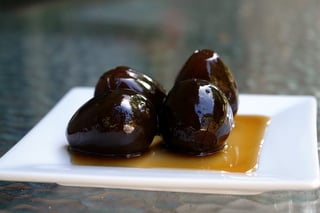
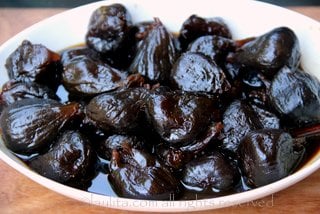
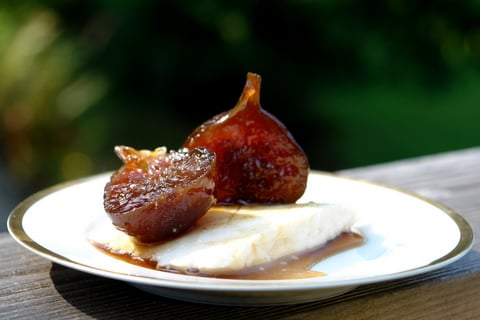
This is my recipe for Ecuadorian dulce de higos, also known as higos pasados, which are fig preserves cooked in spiced syrup of panela/piloncillo or brown cane sugar and spices.
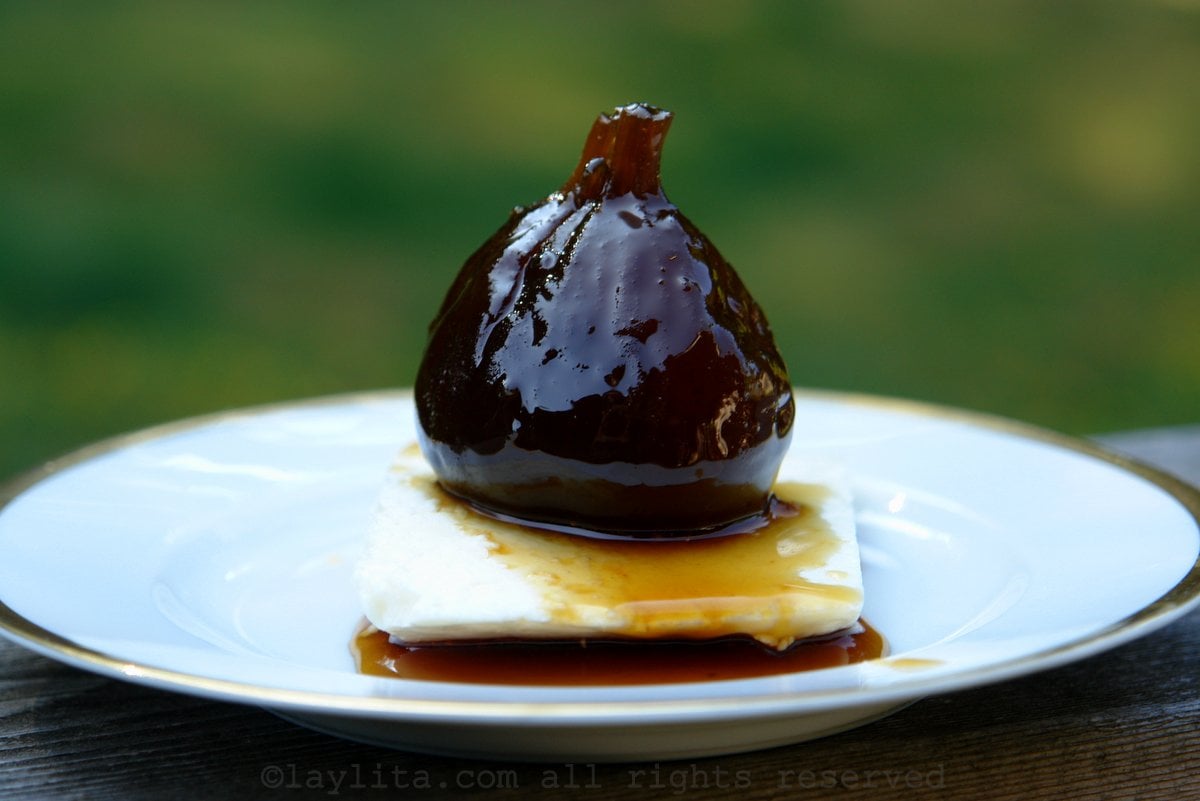
These caramelized figs are a very typical dessert in Ecuadorian households. This type of sweet fruit preserve is one of those desserts that you could easily be served both in the home of humble farmer – who lives in a house with no electricity – ; or at a fancy dinner of a wealthy businessperson in one of main cities.
Jump to Recipe
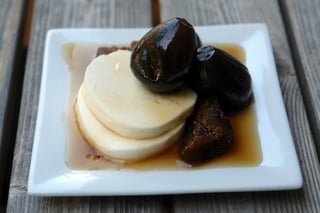
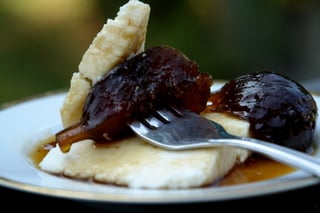
Personally I would choose the figs served in a humble home o from a small local vendor, from my experience those are usually the best. These caramelized figs are usually served with a slice of fresh cheese, queso fresco or quesillo, to help balance the sweetness.
Anyone familiar with traditional South American desserts knows that we prefer to keep them simple, especially since the main meal tends to be very filling. Desserts were not necessarily an expected component at the end of each meal and when we did have dessert it always felt like a special event.
A typical dessert in Ecuador might be a perfectly ripe fruit, such as a slice of papaya with a drizzle of lime juice or a piece of babaco with a little bit of honey, or maybe a refreshing helado de paila, a fluffy bizcochuelo, a crunchy cocada or a sweet fig preserve served with a piece a quesillo or queso.
It is also frequent to eat sweets in larger quantity with afternoon coffee rather than for dessert, after a large meal sometimes you want just a little something sweet that adds that finishing touch and doesn’t leave you feeling like you had too much.
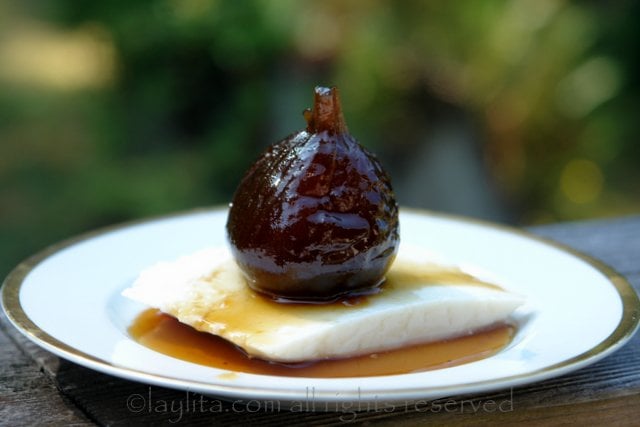
The fig preserves are made through a 3 day process: first they soaked in water for a day, next they are boiled in water, then left to soak another day, then drain and finally boiled in the syrup made with the panela and spices. It is very important to let the figs soak enough, this helps keep them tender.
I’ve tried to take shortcuts before and ended up with very dry and rubbery figs. The spices are optional and the figs taste just as good without them, so it’s just a matter of preference, I personally love adding the spices, but since my husband had this annoying dislike for cinnamon I sometimes make them without any spices.
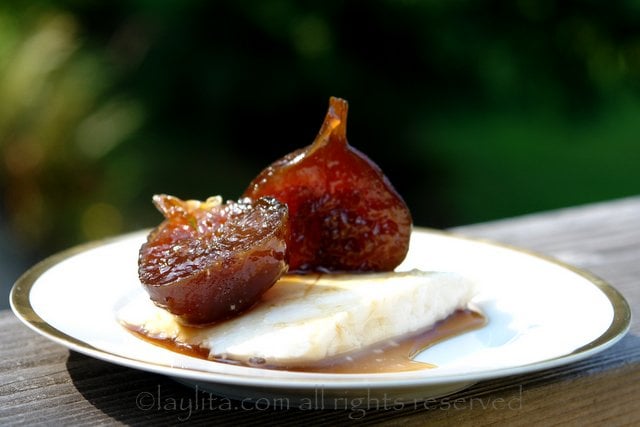
These figs are very sweet, you can reduce the amount of panela if you would like them to be a little bit less sweet; also because they are so sweet they are much better eaten with cheese or even with bread than alone.
Dulce de higos are usually served with generous slice of fresh cheese called quesillo, you can use fresh mozzarella instead of quesillo, some other good options include queso fresco, farmer’s cheese or curds; you can choose your favorite cheese or also try these fig preserves with a few different types of cheese.
Dulce de higos or fig preserves in syrup
Ingredients
- 20 fresh ripe but firm figs washed
- Pinch of baking soda
- 1 ¾ lb panela or hard brown cane sugar
- Cinnamon sticks cloves and other spices – optional
- Water
To serve:
- Slices of quesillo cheese or queso fresco
Instructions
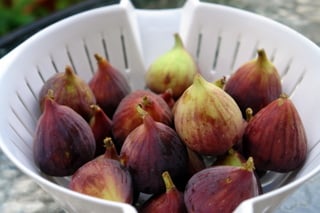
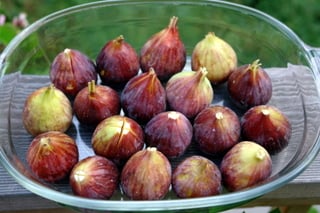
- Make a crosswise cut on the thin side of each fig.
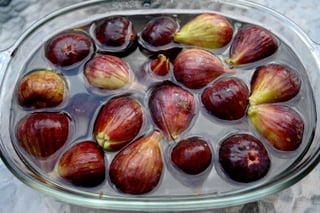
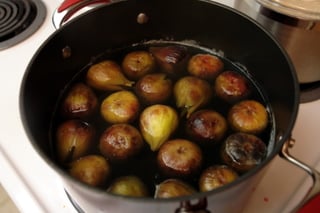
- Place the figs in a bowl, cover them with water and let them soak for 24 hours.
- Rinse the figs, place them in a saucepan, and cover them with water, about 8 cups.
- Add the baking soda and bring the water to a boil over medium heat, cook for about 15-20 minutes or until soft.
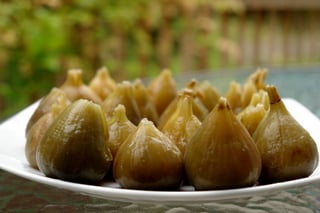
- Remove from the heat and let the figs soak in the water they cooked in for another 24 hours.
- Drain all the water from figs and gently squeeze each fig to remove as much water as possible.
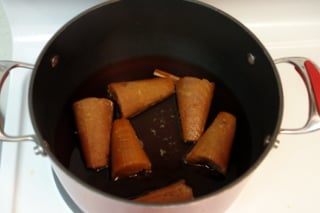
- Place the panela or hard brown cane sugar and the spices in a large saucepan, cover with about 6 cups of water and cook on low heat until the panela is completely dissolved.
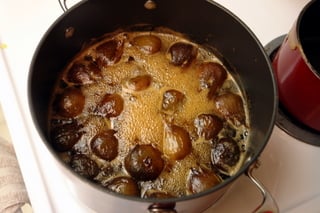
- Add the figs and simmer until the panela syrup begins to thicken, at least a couple of hours, stir occasionally.
- Serve either warm or cold with a slice of quesillo, fresh mozzarella, queso fresco, farmer’s cheese or the cheese of your preference.
Step by step preparation photos for Ecuadorian dulce de higos or fig preserves in syrup
Discover more from Laylita's Recipes
Subscribe to get the latest posts sent to your email.


Hello. If we don’t have access to panela, how can we use white sugar instead of it? How much sugar and how for 20 figs?
It would be best if you could use brown sugar, about 3 cups.
Thank you very much
I live in Cuenca, Ecuador and made these since figs are in season and they are everywhere right now. I used some cinnamon and allspice, with “panela negra”, which is sold here in the Andes. It worked great with the “green figs” I have in the yard, (but they can’t be too ripe or they just dissolve). Everyone loves the figs and it is well worth the three days to get it right.
Found these in Cotacachi Ecuador,glad I now have the recipe, thanks
Trying this for the first time.
Why do we drain the water after cooking the figs the first time? Wouldn’t there be more fig flavor if we just added the sugar to that water to make the syrup?
You can probably use the water from the figs, it just isn’t the way I was taught how to make them.
I’m pleased with my first batch; thank you for your recipe. I encountered this dessert in Quito and am tickled to be able to recreate it.
In Quito it was displayed and served unrefrigerated in a bowl on a counter in a bakery. Would you let me know if the figs should be refrigerated: 1. When they are first soaked?, 2. After they are cooked and soaked the second time?, 3. When they are finished cooking and the recipe is completed the third time?
Your assistance is greatly appreciated. It is a beautiful elegant dessert.
Hi Sarita – In Ecuador they are usually never refrigerated during any part of the cooking process or when they are done. The temperature (at least in the Highlands) are not extremely hot. In the US (during the summer – which is when I prepare them) if I have space in the fridge, I do refrigerate them during the first soaking (just as an extra precaution, though I’ve made without refrigerating at all and they were also fine). I also keep them in the fridge once they are ready, just so that they last longer, but will bring them to room temperature or heat them slightly before serving. Once they’re cooked, you can treat as you would any other fruit preserve.
Thankyou for sharing your recipes; so many of them remind me of my Costa Rican mother. <3
This recipe has inspired me to ask my neighbor for one of her MANY fig trees. ( Should she not be in an agreeable mood, guess I'll just have to "liberate" a few. *G* )