
Potato gratin dauphinois

Intro: I would like to introduce the newest contributor to this blog, my wonderful husband Nicolas. This is his grandmother’s recipe for potato gratin dauphinois, a traditional dish from the French Alps made with thinly sliced potatoes baked in a sauce of milk, eggs, cream and garlic and topped with cheesefrom. Nico is the occasional cook in the house. He grew up watching his family prepare traditional French recipes and since he lived in different parts of France over the years, he got to see specialties from various regions. His favorite recipes are simple, quick and easy to make, he refuses to cook anything that would take more than 2 hours to prepare. I hope you enjoy his recipes. ~Laylita
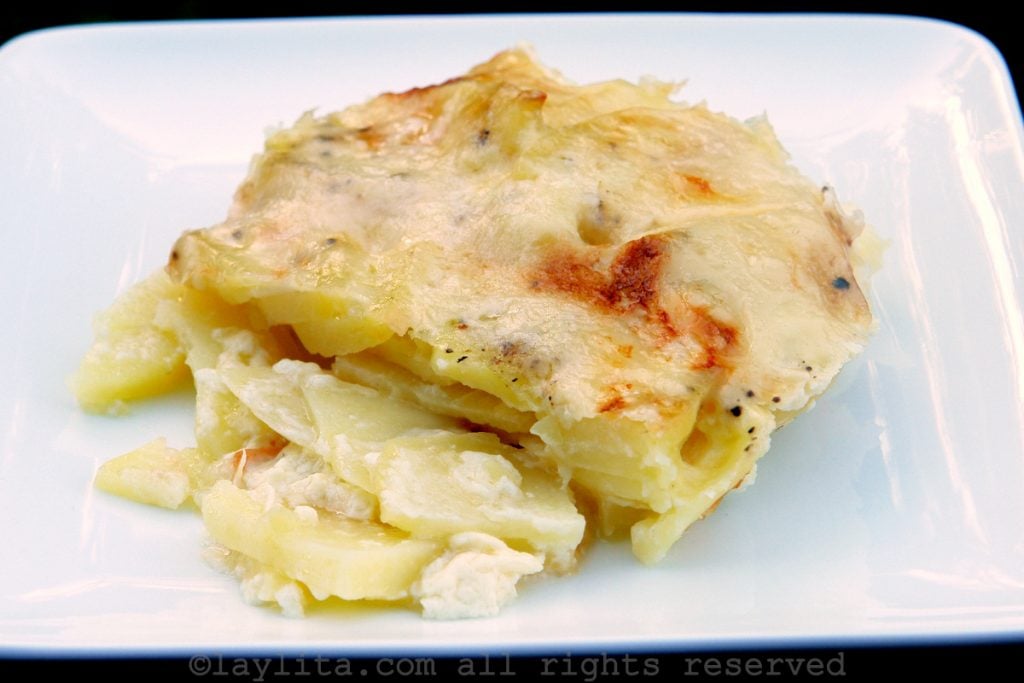
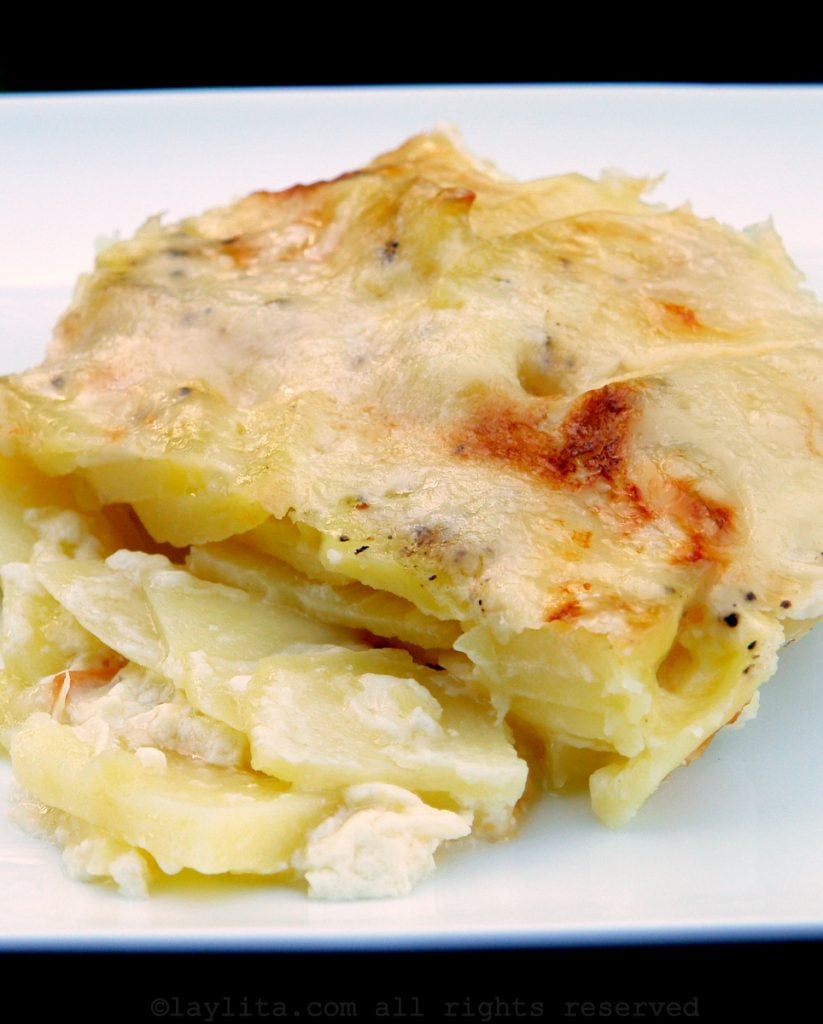
Gratin dauphinois is a typical dish from the French Alps made with thinly sliced potatoes baked in a sauce of milk, eggs, cream and garlic and topped with cheese. A bit of etymology. The Alps have a region called Dauphiné which includes 3 French counties: Isere, Hautes Alpes and Drome. The adjective derived from the Dauphiné region is called Dauphinois, such as the inhabitants or for the recipe at hand, the dish. Gratin comes from the French verb “gratter” which means to scrape or grate (e.g. cheese or potatoes).
Jump to Recipe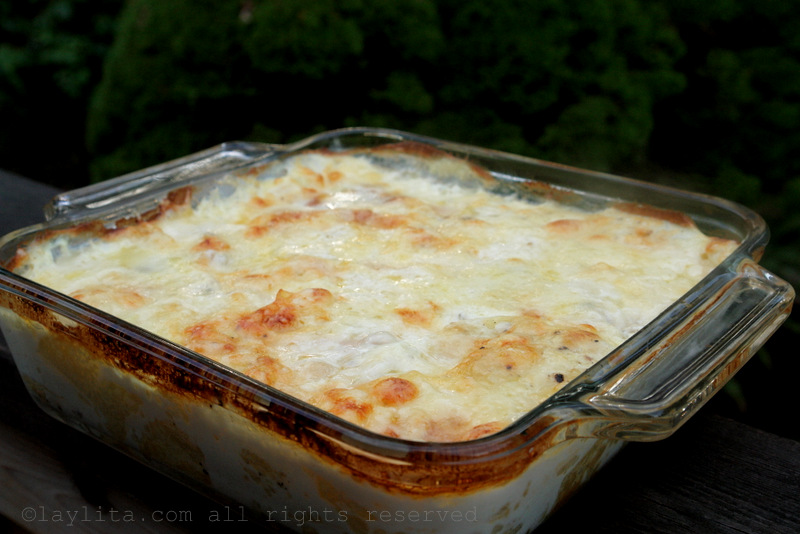
So its name and regional roots make the gratin dauphinois an excellent winter dish that is tasty, nutritious, and particularly appreciated in mild and cold months. It is a popular menu item in local restaurants in the Alps and a top pick from hikers and skiers to replenish their energy levels after a day on the mountains.
I spent several years of my childhood in the French Alps in a town called Saint Jean de Maurienne, in the county of Savoie. It is nested between mountains in the middle of a valley crossed by the Arc river. The town is known for its traditional industries such as old style knives (“Opinel”), tourism as a hub for skiing and mountain activities, as well as a fast route to Italy, now less than 90 minutes away using the new highway that takes drivers straight through a long tunnel underneath the Alps, and into Italy (“le tunnel du Frejus”).
During these years, I lived with my Grandma who herself was born in Sicily and had spent most of her life near Saint Jean, in France. For several years she had a mountain restaurant in a very tiny village called Albiez, right above Saint Jean. The mountains carry spectacular views. The climate is continental, which means that summers are hot and winters very cold with lots of snow. Food is inherently tied to people’s customs, the ingredients available, and of course, influenced by the climate.
Back to my Grandmother Ernestine, she made this dish while having her restaurants and later on at home after she retired. I can remember the smell of potato gratin baking in the oven when I was 9 or 10 years old. Coming back from school and opening the apartment’s door always carried a hint of the meal to come. I knew what she was up to, and it felt what we experience when entering a home environment when someone is cooking for the family. Tasting the dish for many years and observing her, I grew a taste for gratins and have come to cook it myself over the years, now that we have our own kids and family to feed.
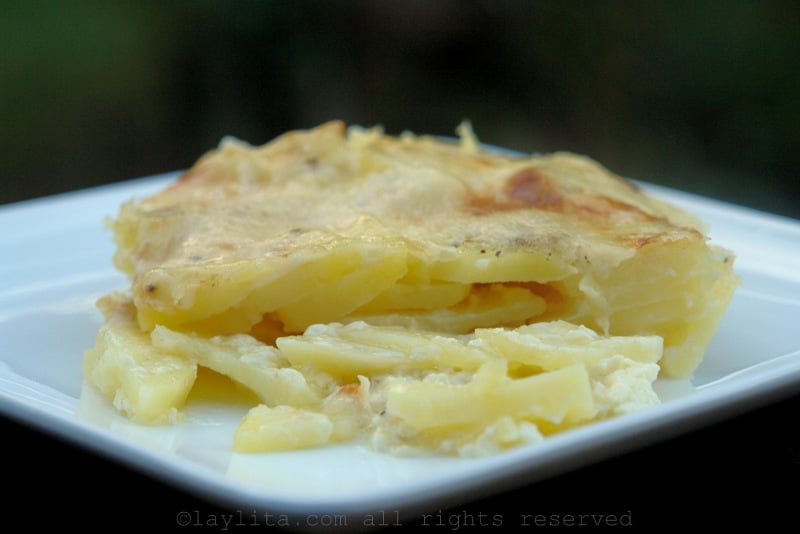
Great companions for a gratin include red or white meat dishes, such as chicken or daube. This easy to make potato gratin is also a great option for a vegetarian meal. Pair it with a green salad for appetizer and a glass of medium to full bodied red wine and you’ll have a great menu.
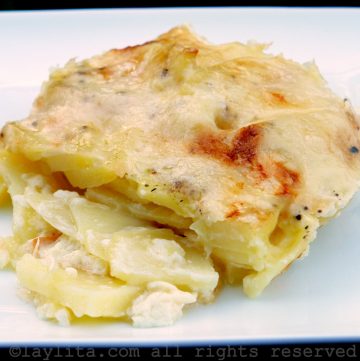
Potato gratin dauphinois
Ingredients
- 6 medium large Yukon gold potatoes ~3 lbs
- 6 garlic cloves, crushed add more or less based on your prefereence
- 1 cup of heavy whipping cream about 250 ml
- 1 cup of milk
- 3 eggs
- 4-6 ounces of grated Swiss or Emmental cheese can also use grated mozzarella cheese or a mix of emmental and mozzarella
- Salt and pepper to taste 1/2 to 1 teaspoon of salt
Instructions
- Pre-heat oven to 400F.
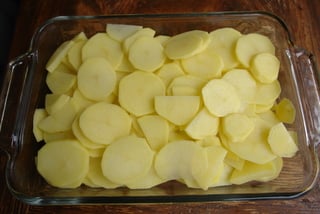
- Peel the potatoes and rinse them in cold water. Then cut them into thin slices.
- Arrange the potato slices in a 8 x 11.5 inch rectangular baking pan.
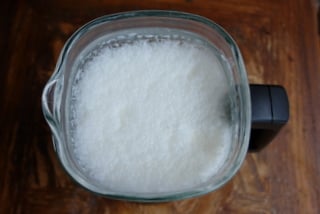
- Add the eggs, milk, garlic, salt and pepper in a blender. Blend until well mixed. Stir in the heavy cream.
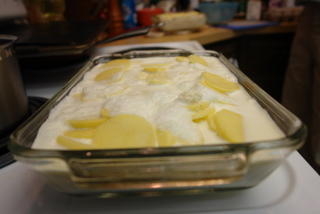
- Pour the garlic milk and cream mix over the potatoes.
- Place the dish in the pre-heated oven at the middle level of the oven.
- Let it bake at 400F for the first 30 minutes so that potatoes cook effectively and become tender.
- Once the 30 minutes have passed, take the gratin out of the oven and layer the cheese uniformly to cover the top surface. Bake for another 25-30 minutes or until the potatoes are tender and the cheese is melted and starting to get golden.
- Once out of the oven, let it rest about 15 minutes before serving.
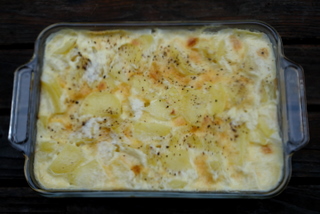
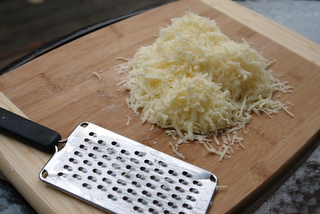
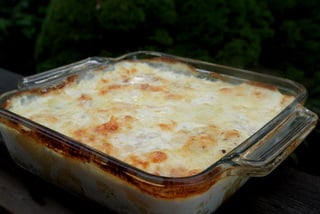
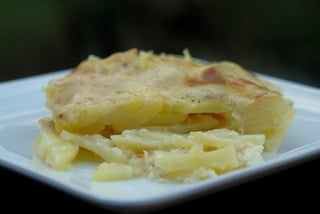
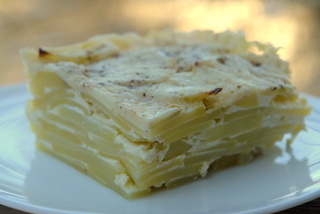
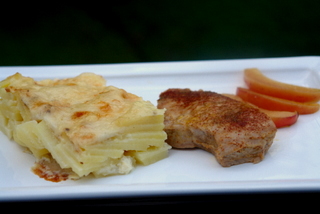
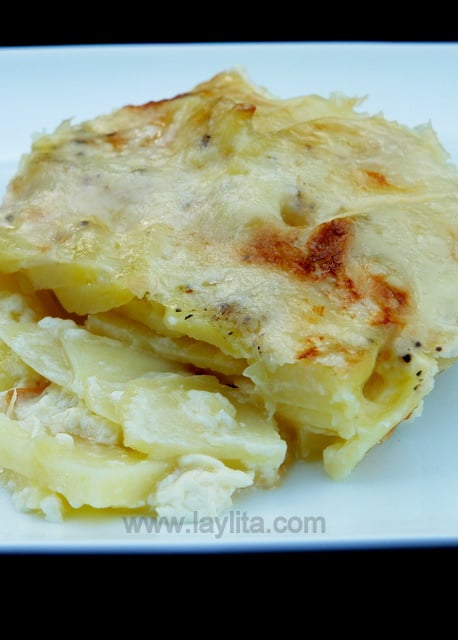
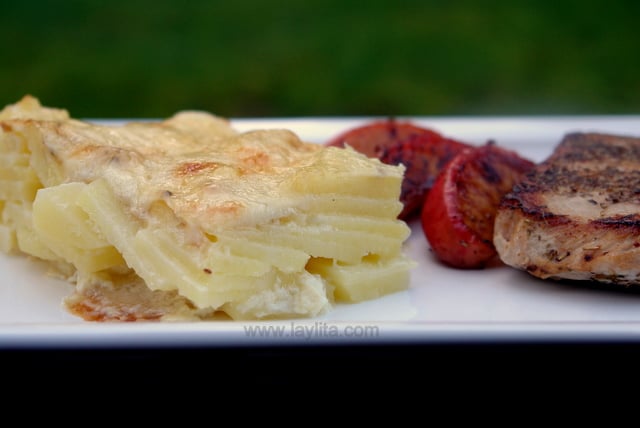
Step by step preparation photos for potato gratin dauphinois

Discover more from Laylita's Recipes
Subscribe to get the latest posts sent to your email.




THIS WERE SOOOOOOOOOO GOOOOOOOOOOOOD!!!!!!!!!!!! Thank you!!!
Are you still writing this website? I just found you and I’m so thrilled. I’ve traveled a couple of time to Ecuador and have not made it to Lojos but I LOVE the country! ;) I hope you are still writing somewhere if not here. I’m hosting some friends from Guayaquil this weekend and was looking for some special recipes. Thanks!
blessings,
tonyad
What fantastic photos you take! My mouth is literally watering and my mind is running. Thank you for the great inspiration. Cheers!
oh my….ecuadorian and french recipes…
you guys are the best duo!!
love your blog and now with Nico also blogging even more!! :-)
keep it up!