
Guaguas de pan (Ecuadorian bread babies or figures)

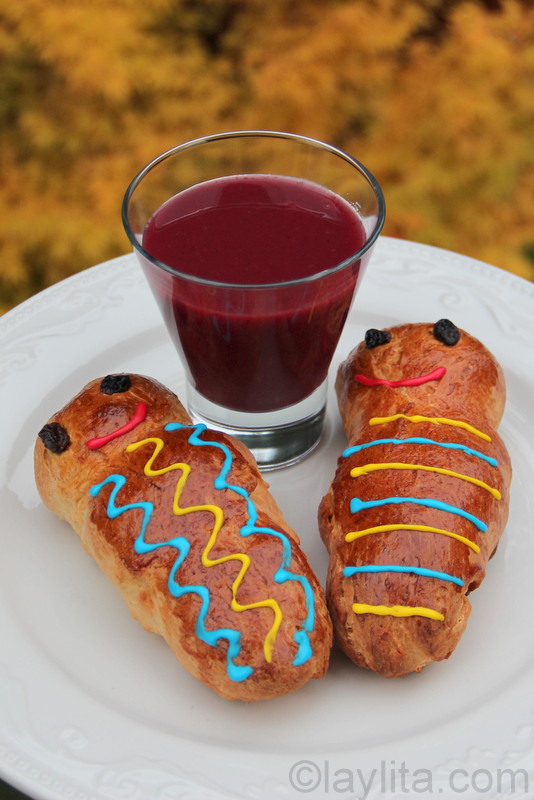
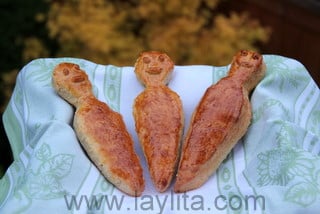
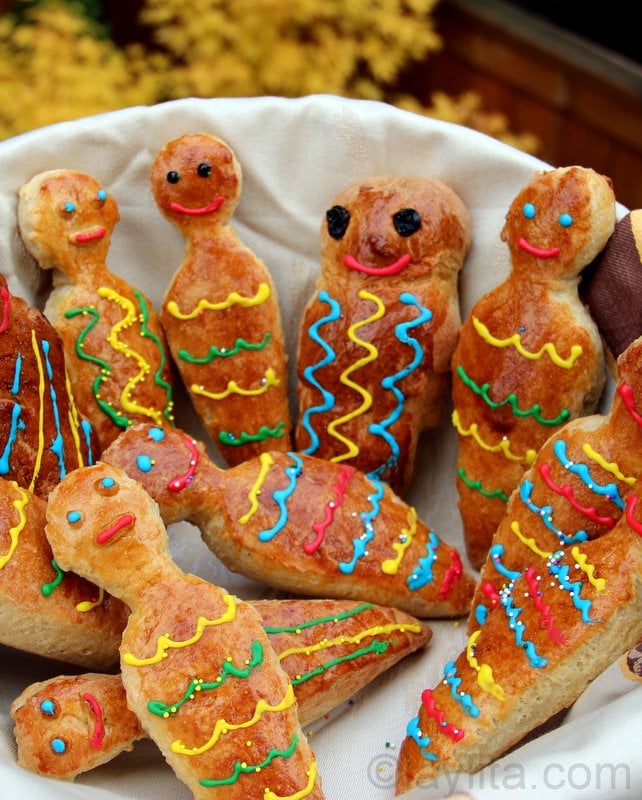
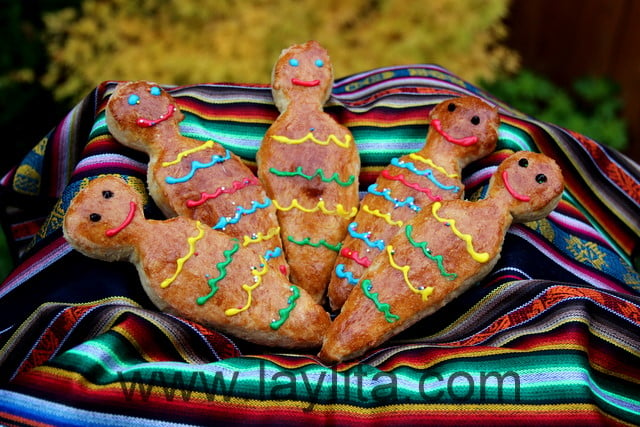
Guaguas de pan –translates literally as bread babies –are sweet breads shaped into doll like figures. When you look at the bread’s shape you will see that it is reminiscent of a baby swaddled in a blanket, the word guagua, sometimes also known as wawa, means baby in Quechua. It is a traditional Ecuadorian custom to have these breads, along with a purple corn & fruit drink called colada morada, on November 2nd for the Day of the Deceased (Dia de los Difuntos). The traditions around this holiday vary for one place to another, but the holiday is meant to honor the memory of relatives and friends who have passed away.
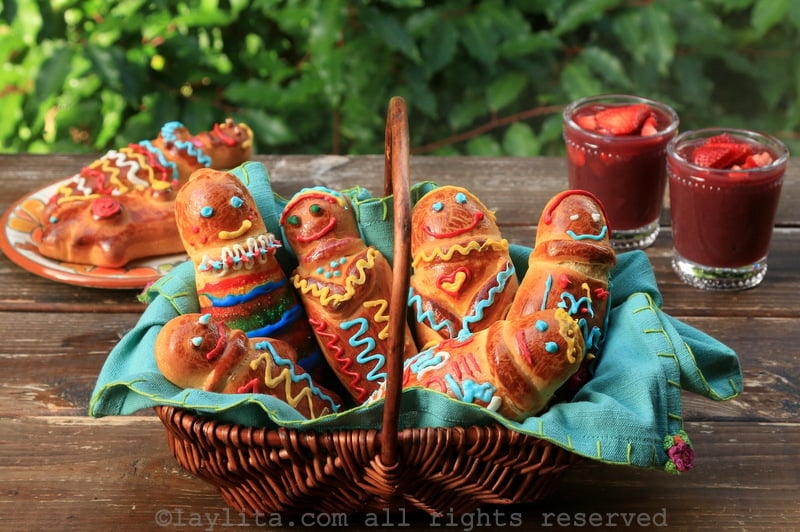
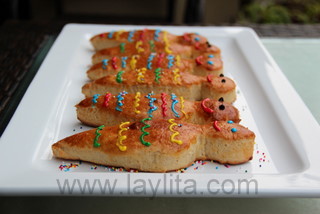
A friend from Guayaquil who has lived in the US for some time mentioned that he doesn’t remember ever seeing guaguas de pan when he was growing up. In my hometown of Loja, it is customary for godparents to buy their godchild a guagua during this holiday. These bread figures are also known as puerquitas – little pigs- in Loja, and they are usually shaped more like animals than babies.
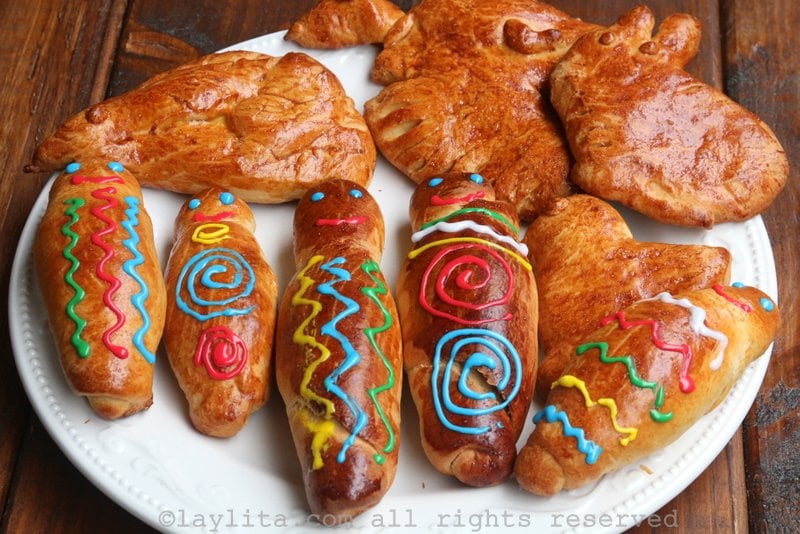
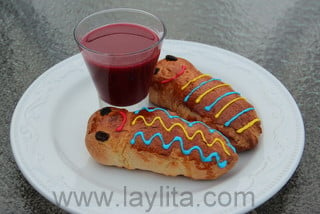
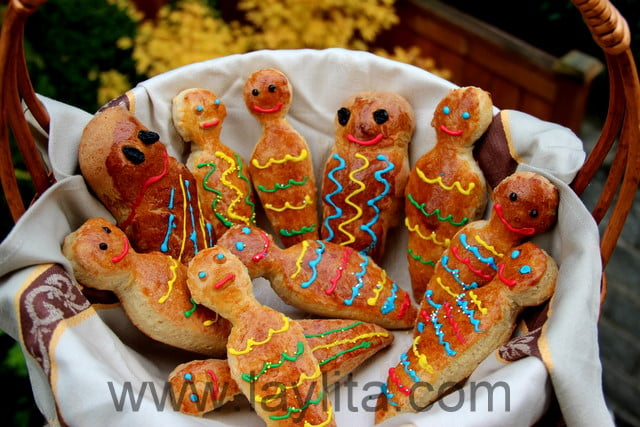
Guaguas de pan or bread figures
Ingredients
- ¼ oz. active dry yeast (1 envelope=2 1/4 tsp=1/4 oz=7 grams)
- 1/2 cup warm milk + additional if needed
- 1/2 cup sugar
- 2 tsp salt
- 4 cups all-purpose flour + additional if needed
- 1 tsp cinnamon
- 4 oz. butter, unsalted, room temperature
- 4 large eggs
- 1 tsp vanilla
- Optional flavorings: orange zest orange water, almond, anise, other spices etc
- Optional fillings: Chocolate dulce de leche, guava jam, blackberry jam, nutella/hazelnut spread, etc
- 2 eggs yolks – whisked to be used as egg wash for brushing the bread figures before baking
- Icing raisins, sprinkles, etc to decorate
Instructions
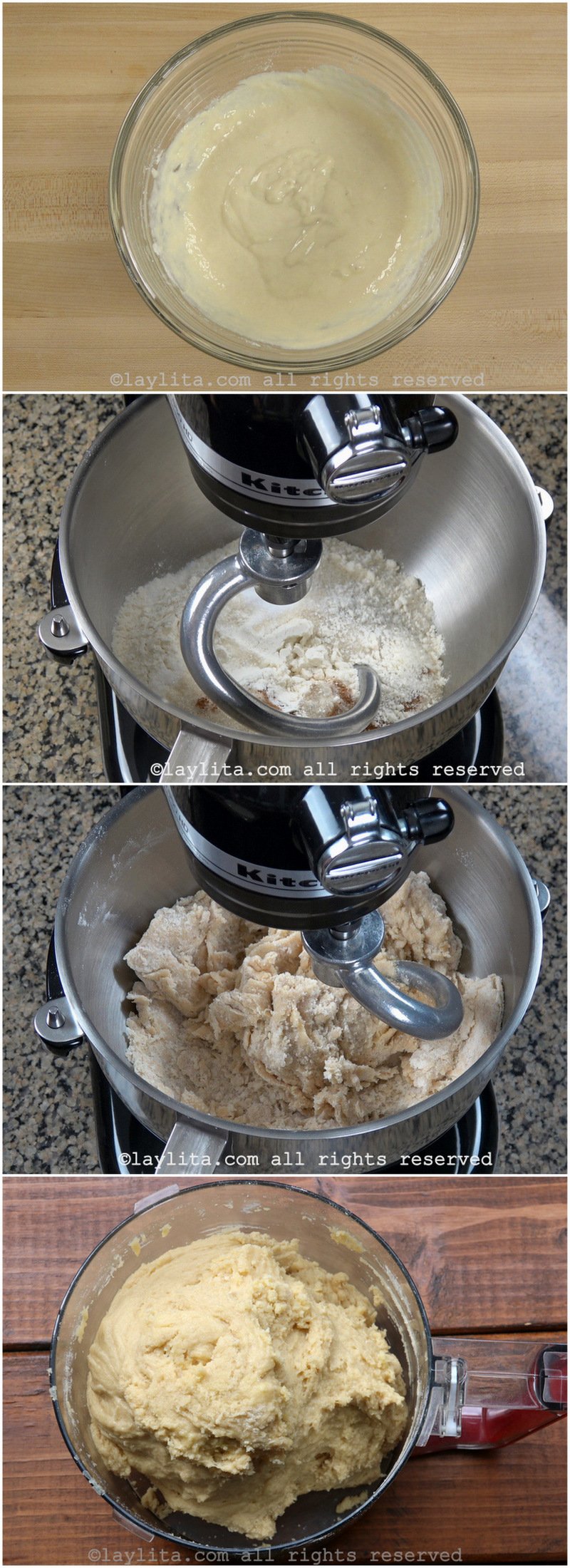
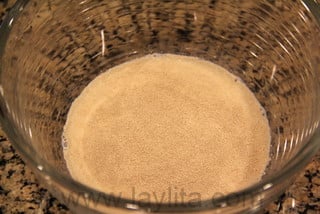
- Sprinkle the yeast over warm milk and dissolve well.
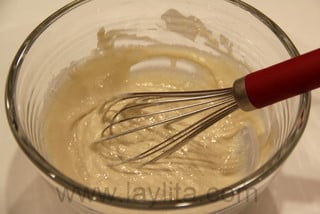
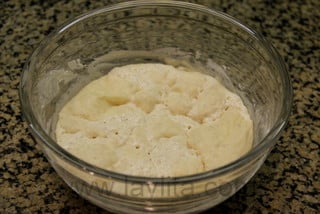
- Whisk in ½ cup of the flour until you have a creamy paste. Let it rise in a warm place until the dough has risen and fallen, approximately 1 hour.
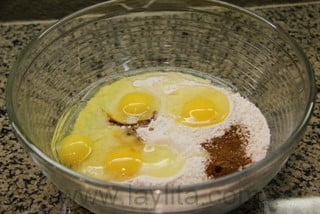
- If making the dough by hand: add the eggs, sugar, cinnamon, vanilla, salt and the remaining flour to the fallen yeast mixture. Combine well and add the butter. Knead the dough until the consistency is smooth and elastic. Add additional flour if the dough is too sticky. Add additional milk if it’s too dry.
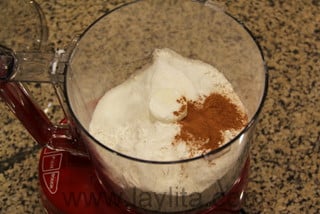
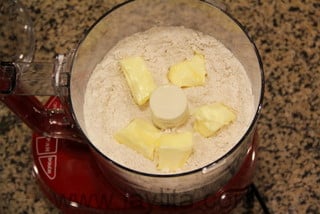
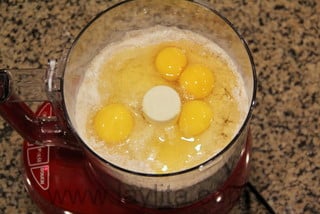
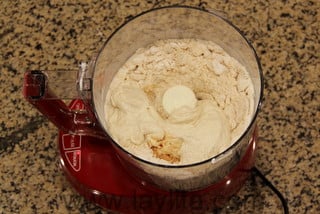
- If making the dough with a food processor or mixer: combine the remaining flour, sugar, salt and cinnamon in the food processor, pulse until well mixed or use a dough hook for the mixer. Add the butter and mix. Add the 4 eggs and mix. Add the yeast mixture and the vanilla (and any other flavorings). Mix until the dough start to form a large ball. If the texture is too sticky then add some more flour. If it’s on the dry side, add milk (a couple tablespoons at a time).
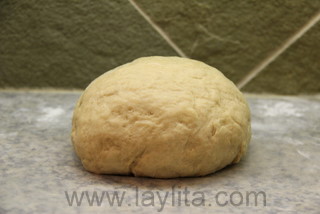
- Remove the dough from the food processor and form a large ball, place it in a large bowl.
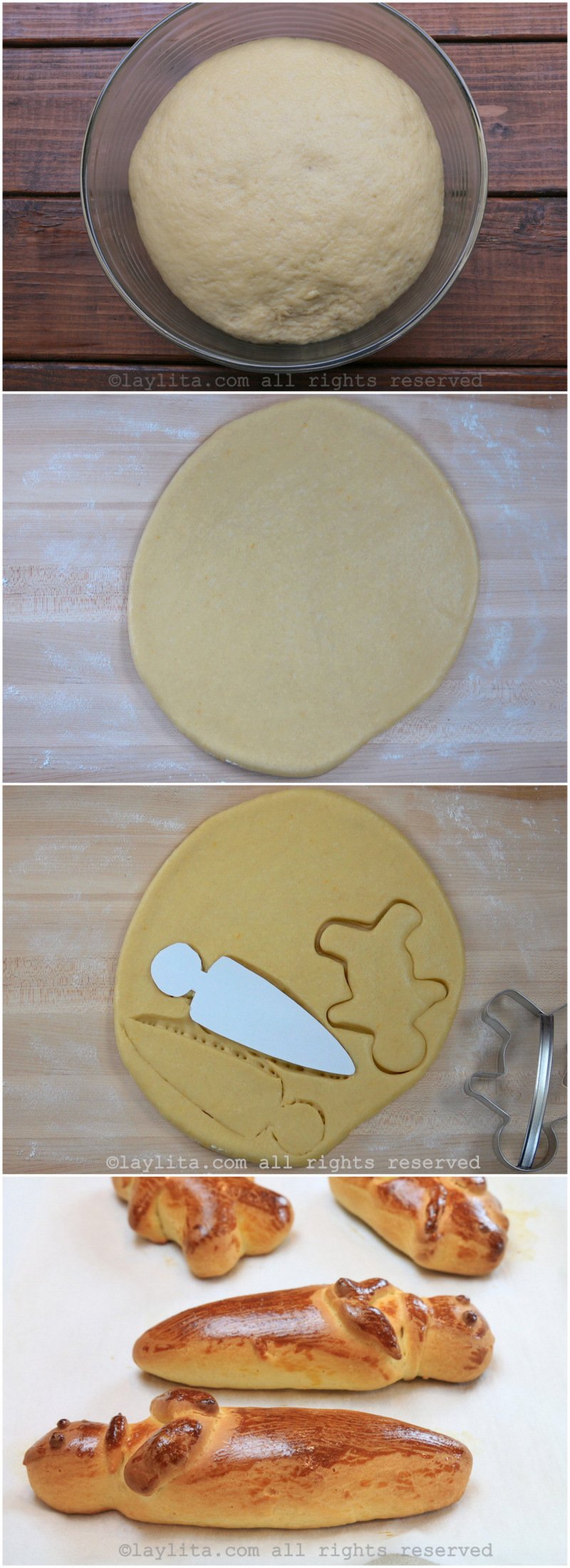
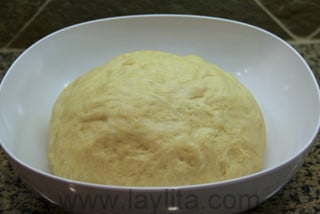
- Let the dough rise in a warm place, covered with a kitchen towel or plastic wrap, until the size doubles, about 2 hours.
- Punch the dough down and work the dough a few times.
To make the basic bread figures – without any filling:
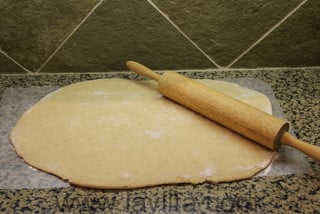
- Roll out the dough on a lightly floured surface until it is about 1 inch thick. Use a homemade stencil in the shape of a “guagua” to cut out the bread dough figures. You can also use a gingerbread cookie cutter (or animal shapes). Keep in mind that the shaped dough figures will rise and expand. The ideal weight is about 3oz-4oz per bread baby.
- If you need to make them more rustic looking then form the doll shapes by hand, start by making a ball of dough (3-4oz). Then use your hands to shape the dough in the form of a swaddled baby. Start by turning the ball of dough into an elongated oval shape and then form the head. You can use small pieces of dough to add eyes, lips, arms, etc – but keep in mind that these might shift and expand during baking (and the babies can turn a bit odd looking).
To make “guaguas rellenas” or bread babies with a filling:
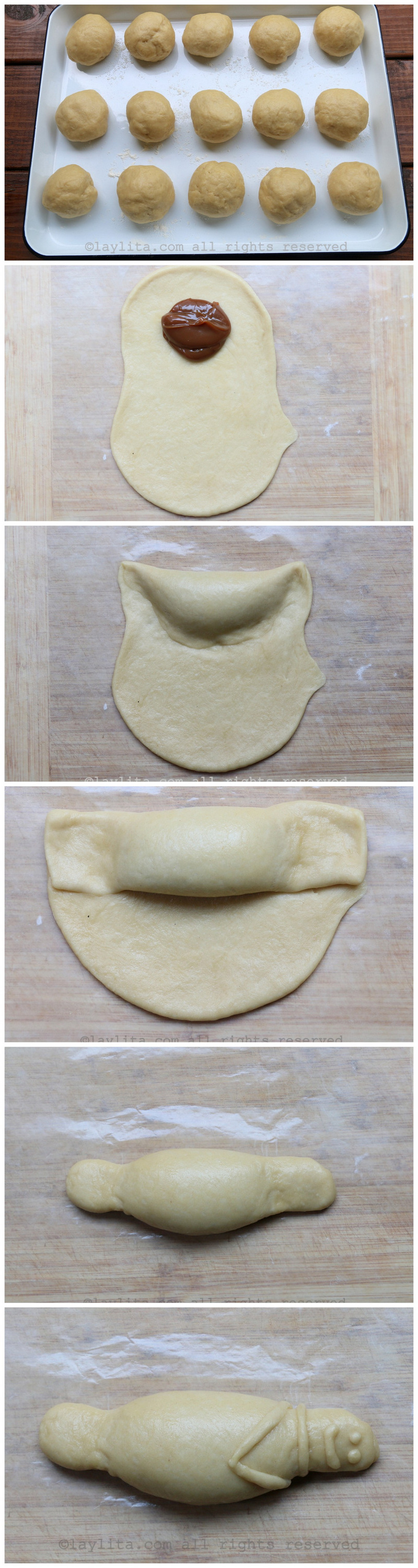
- Form individual dough balls, each one should weigh ~3.5 oz. Use a rolling pin to extend each individual ball into a flat oval shape. Take a spoonful of the your choice of filling (chocolate, dulce de leche, guava jam or guava paste) and place it on the top part of the extended dough. Fold the top part of the dough over the filling part – as if you were making an empanada on the upper part of the dough (SEE PHOTOS BELOW & video for a visual tutorial). Roll the rest of dough over the filling, at the same time as you are doing this try to press down and twist the outer edges (that don’t have the filling). It’s similar to if you were wrapping a candy – the outer parts will then become the head and the swaddled bottom part of the bread figure. You can shape the head part to make it more rounded. Use small pieces of dough to add eyes/lips/hair/arms – and you can also add a neck separation.
- Another way to add a filling is to shape the dough with your hands into a rustic looking oval, add the filling in the middle, then pull dough over the filling to seal it. Then shape it carefully into a longer shape, form the head and bottom part. This method does tend to result in the filling leaking so avoid a filling that will get liquid when baking: avoid fruit jams/dulce de leche and use hard chocolate (chunks or chips) or guave fruit paste.
Baking the bread figures:
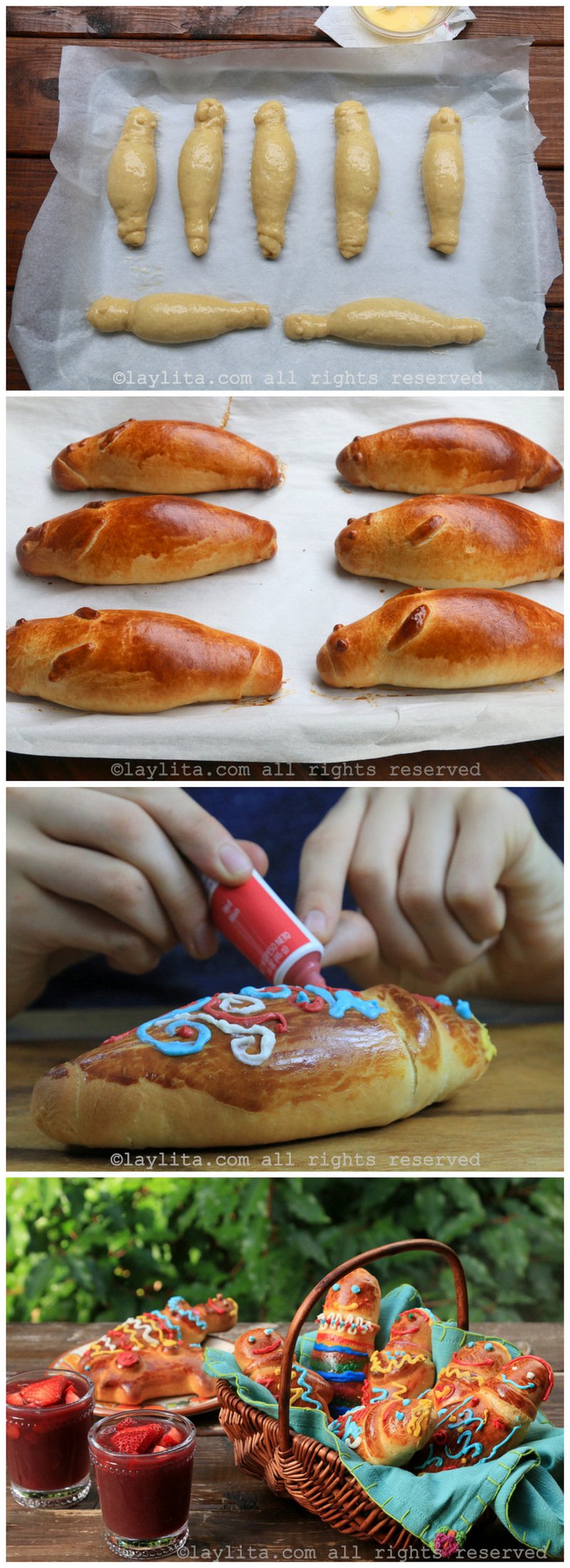
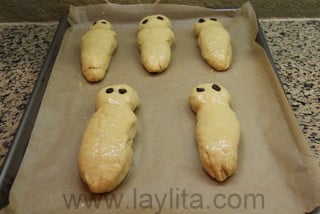
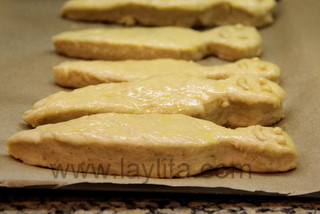
- Place the bread figures on baking sheet (lightly greased or with lined with parchment paper). Let them rise until half doubled, about 15-20 minutes.
- In the meantime, pre-heat the oven to 350 F.
- Brush the tops of the bread figures with the whisked egg yolks. If adding sprinkles/raisins prior to baking you can add them after the egg wash, which will also act as a glue to help keep them in place.
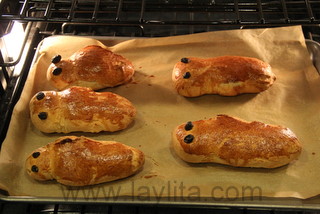
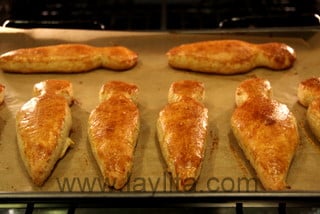
- Bake for approximately 15-20 minutes or until golden on top. It’s normal for some of the fillings to leak out, especially fillings like fruit jam (not fruit paste) and dulce de leche. Fillings like chocolate, Nutella, and guava paste are less likely to leak out.
- Let the bread guaguas cool down completely, to keep the bread soft place them in a basket lined with kitchen towels and keep them covered.
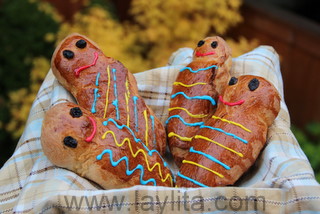
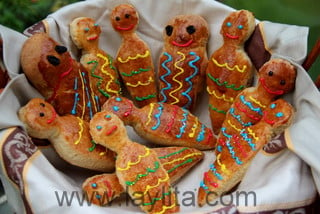
- Decorate (after they have cooled down) using different icing colors and sprinkles
- Serve with colada morada.
Video

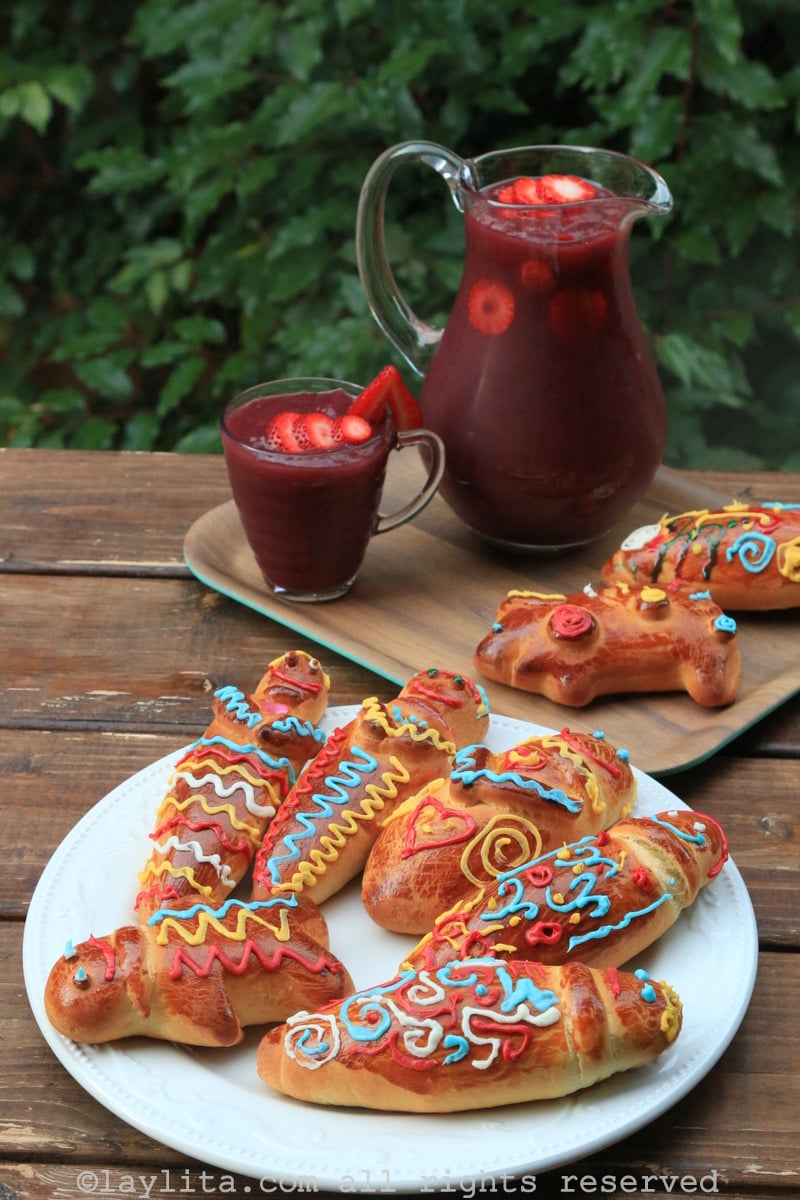
You can make the dough for the guaguas de pan by hand, or you can take the fast cheater route of using the food processor. Even with the food processor you will still need to do some work with the dough, but it is minimized and helps get that nice elastic texture. My first batch of guaguas turned out slightly bloated, essentially they rose a lot more than I expected and as my kids said: “those babies look fat”. I also found it challenging to keep their size consistent and ended up with some small and some much larger. For the next batch, I decided to try rolling out the dough, then I used a piece of construction paper to make a stencil of the shape I wanted the guaguas to have. These two things helped me keep my second batch more uniform and skinnier – they still fattened up in the end, but look more like normal babies instead of sumo wrestlers. The ones formed by hand do have a more rustic and authentic look, I’ll let you decide which you prefer. This recipe will yield between 10-15 guaguas de pan, depending on the size you make them.
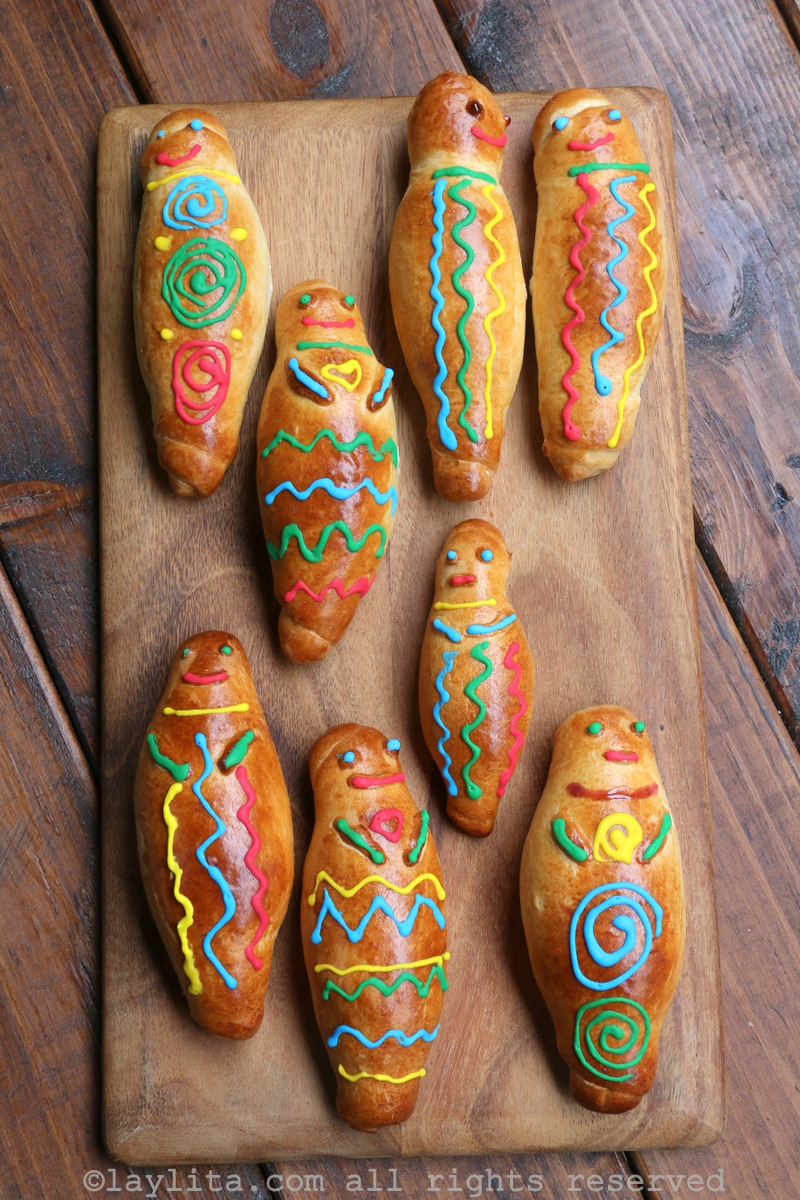
When I was growing up my mom was always baking some sort of bread, so of course around this time of the year she would give each kid some bread dough (all ready – no work for us) so that we could make our own guaguas, we would get very creative with our ideas on how to make our bread figures and how to decorate them – a few times we got too creative and gave them certain inappropriate parts. My kids love helping make the bread babies and while I like to have some guaguas that look “normal”, I still always give the kids a piece of dough to let them make their own creations – this is also part of the whole tradition in our home.
When it comes to decorating the guaguas you also have a few different options, you can use raisins, as I did for the eyes of the first batch. They work well, but do tend to pop out as the bread bakes.
I also thought that using mini M&M’s would be a brilliant idea, but it turned out to be another not so great idea: the colors leak, the M&M’s burn and they also pop out. You can also use the dough itself to create small eyes, mouths and even hair or other decorative parts for the bread babies. I recommend that you add these after you have brushed the bread figures with the egg wash as it will also act as glue to keep the parts together. The final option, and the easiest in my opinion, is to use cookie icing to decorate the guaguas after they have baked and cooled down.
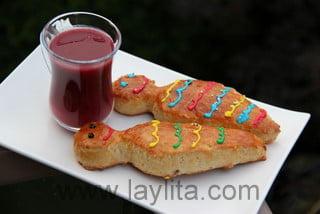
Guaguas de pan are served with a glass of colada morada, a traditional thick drink made from purple corn, fruits, spices and herbs. The colada can be warm or cold, but I recommend that you eat the bread warm.
Step by step preparation photos for Ecuadorian guaguas de pan or bread babies:
Ecuadorian bread figure dough preparation using a stand mixer or a food processor:
Making Ecuadorian bread babies or guaguas de pan – simple method without a filling:
Making guaguas de pan rellenas or bread figures with fillings:
Baking and decorating Ecuadorian guaguas de pan or bread babies:
Previous photos:

Discover more from Laylita's Recipes
Subscribe to get the latest posts sent to your email.
2nd year trying these and first year they came out good!
Next year I’ll perfect the total icing.
Ty for your recipes!!
Gracias por la receta Laylita. Quedaron muy buenas, solo que menos doradas que las tuyas
Buen tip el de los rellenos. Generalmente poníamos cosas que luego se salían